
Closed Cell Spray Foam Insulation in Andover Massachusetts
Andover Spray Foam Insulation provides professional closed-cell spray foam insulation services throughout Andover, Massachusetts. This energy-efficient insulation helps reduce air leakage, limit heat transfer, and improve indoor comfort. Unlike fiberglass and cellulose insulation, closed-cell foam expands to seal accessible gaps and irregular cavities, creating an effective thermal barrier.
The key features of closed-cell spray foam include its dense structure, moisture resistance, and air-sealing properties. It is suitable for certain walls, attics, and crawl spaces, providing approximately R-6 to R-7 per inch. Proper installation may also seal gaps used by pests, although additional pest control measures may be necessary. Our technicians assess existing insulation, moisture conditions, and building requirements before recommending suitable materials and application methods. Professional installation helps improve energy efficiency, maintain consistent indoor temperatures, and support long-term building performance..
Request a Free Quote
We will get back to you as soon as possible.
Please try again later.
OTHER SERVICES WE OFFERED:
ANDOVER Spray Foam Insulation
Benefits of Closed-Cell Spray Foam Solutions for Energy Efficiency and Comfort
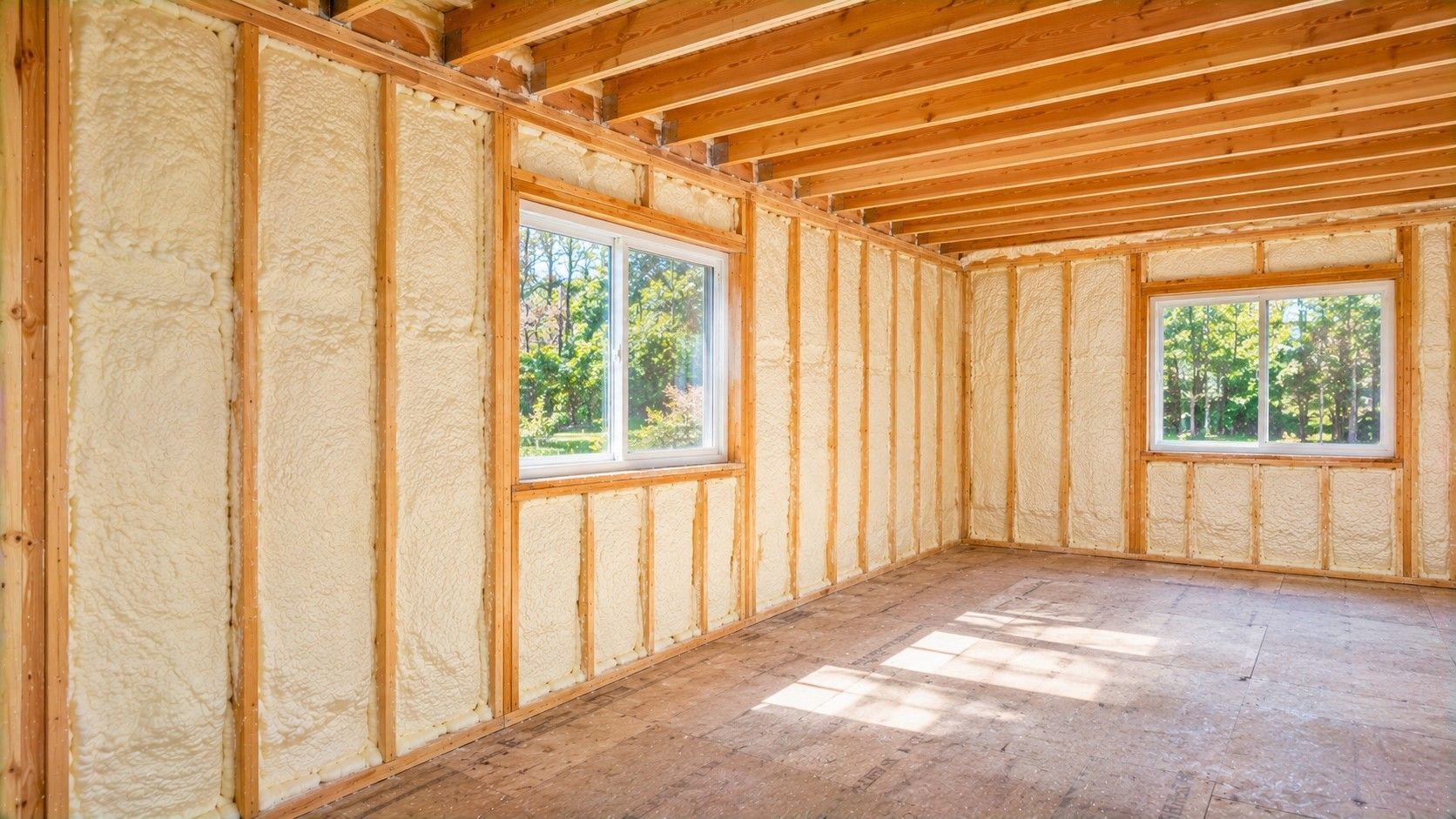
Improve your Andover property's energy efficiency with professionally installed closed-cell spray foam, a rigid insulation solution designed to provide substantial thermal resistance and effective air sealing. One of the main benefits of closed cell spray foam is its ability to insulate accessible building cavities while reducing unwanted airflow. Each professional insulation installation begins with careful project planning that considers the building's structure, existing materials, and thermal performance requirements. High-density spray polyurethane foam expands during application, filling accessible cracks and gaps to create an air barrier. When properly applied as a continuous layer, the foam creates an airtight seal across treated surfaces, helping reduce air infiltration and improve comfort throughout the living space.
Beyond thermal performance, closed-cell foam insulation provides moisture resistance by limiting water vapor diffusion at appropriate thicknesses. Its dense cell structure and relatively low vapor permeability may support moisture management in properly designed wall, roof, and foundation assemblies. Compared with open cell foam, closed-cell insulation generally offers a higher R-value per inch and lower vapor permeability. These features of closed-cell foam make it useful for certain moisture-sensitive applications, although it does not replace drainage systems, waterproofing, or repairs to existing damage. Depending on the complete building assembly, it may also contribute to structural strength. Professional installation focuses on material selection, insulation coverage, and building code compliance to support indoor comfort and long-lasting insulation performance.

PROBLEM
How Closed-Cell Spray Foam Reduces Air Leakage and Supports Indoor Air Quality
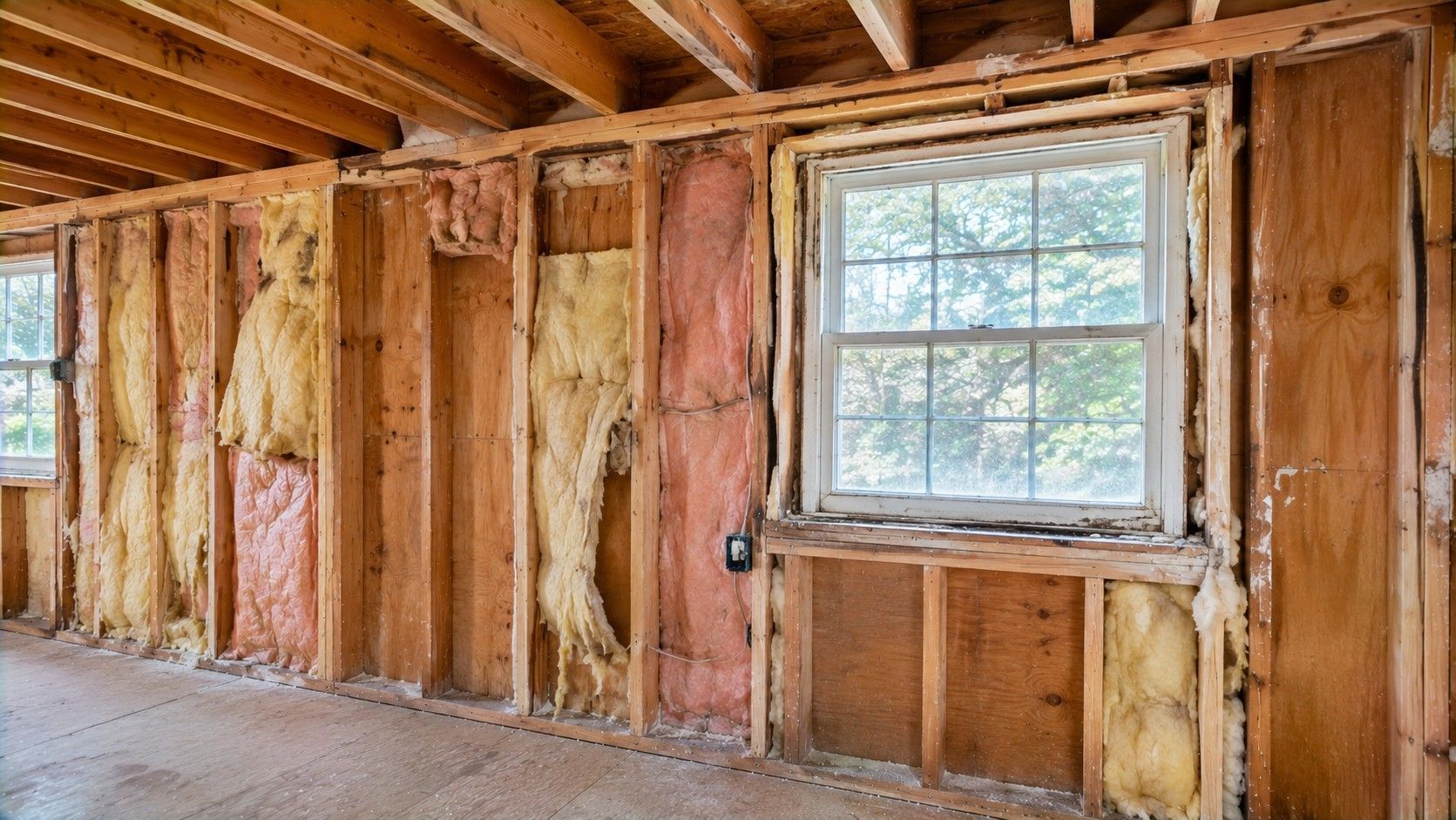
Cold Massachusetts winters and seasonal temperature changes can increase heating demands in homes with inadequate insulation or uncontrolled air leakage. Closed cell spray foam insulation helps address these common problems by providing a high R-value of approximately R-6 to R-7 per inch, depending on the product. In building science, the higher the R-value, the greater the material's resistance to conductive heat transfer. During an air leakage inspection, technicians examine accessible rim joists, wall cavities, crawl spaces, and other building envelope connections where conditioned air may escape. Properly installed spray foam creates an airtight barrier across treated surfaces, reducing air movement and supporting more consistent indoor temperatures. This air-sealing performance may help lower energy bills and reduce the amount of outdoor air entering through building gaps, although improvements in indoor air quality depend on adequate ventilation and other indoor conditions.
Have the same problem? Contact us!
OUR PROCESS
How Our Technicians Prepare and Install High-Performance Insulation
Our technicians follow a careful process, from site preparation to professional installation, ensuring proper insulation coverage, energy efficiency, and long-term performance.
Initial Inspection
Our technicians inspect walls, framing, joists, and crawl spaces to identify insulation conditions, moisture concerns, damage, and air leakage areas. This assessment helps determine installation methods, required insulation thickness, and preparations to support effective thermal performance and proper adhesion.
Surface Preparation
We prepare installation surfaces by removing dust, debris, and other contaminants that could interfere with foam adhesion. Our team checks substrate temperatures, moisture levels, and surrounding materials while ensuring existing leaks, structural damage, and pest concerns are addressed before beginning the spray foam application process.
Insulation Installation
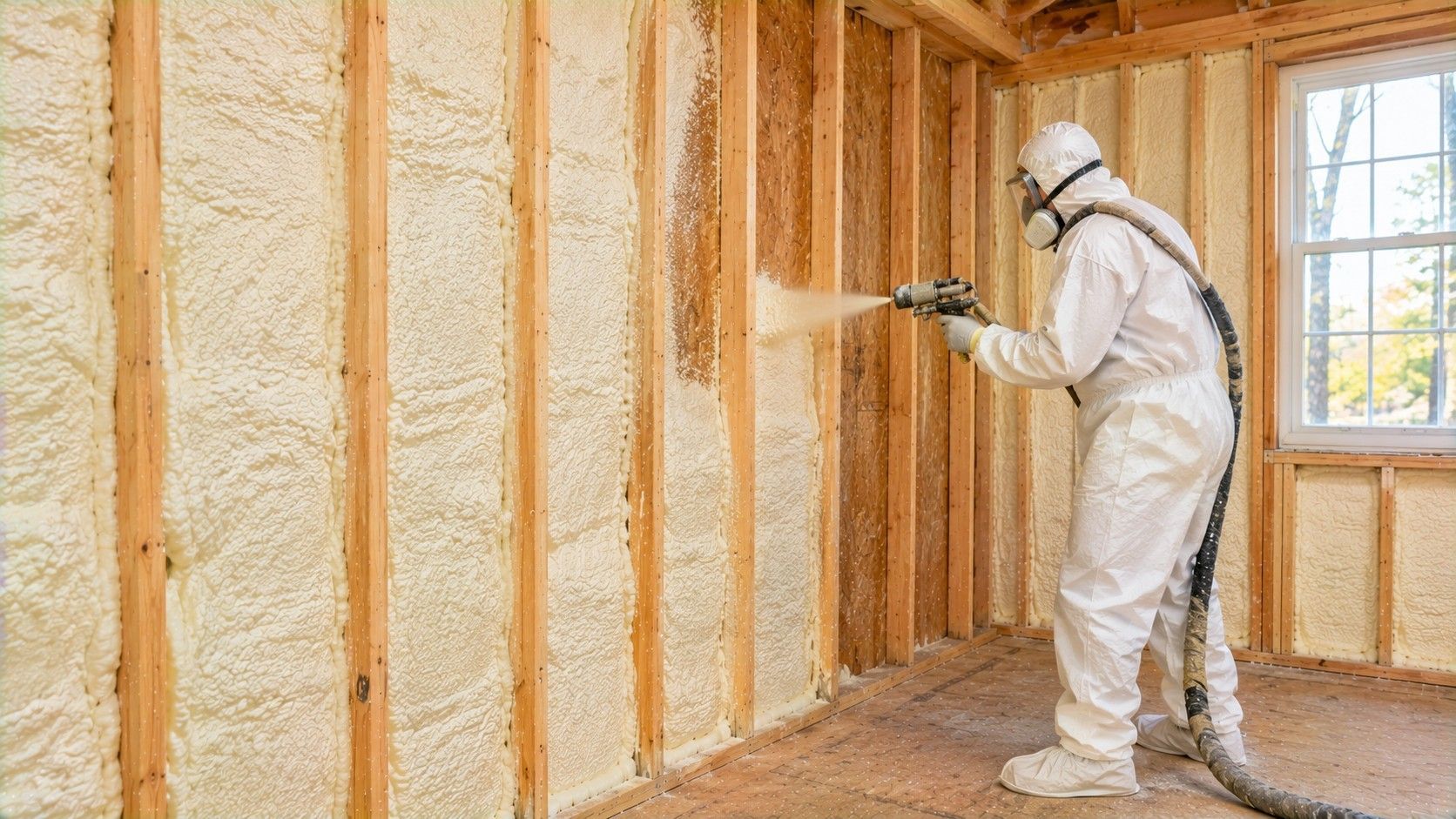
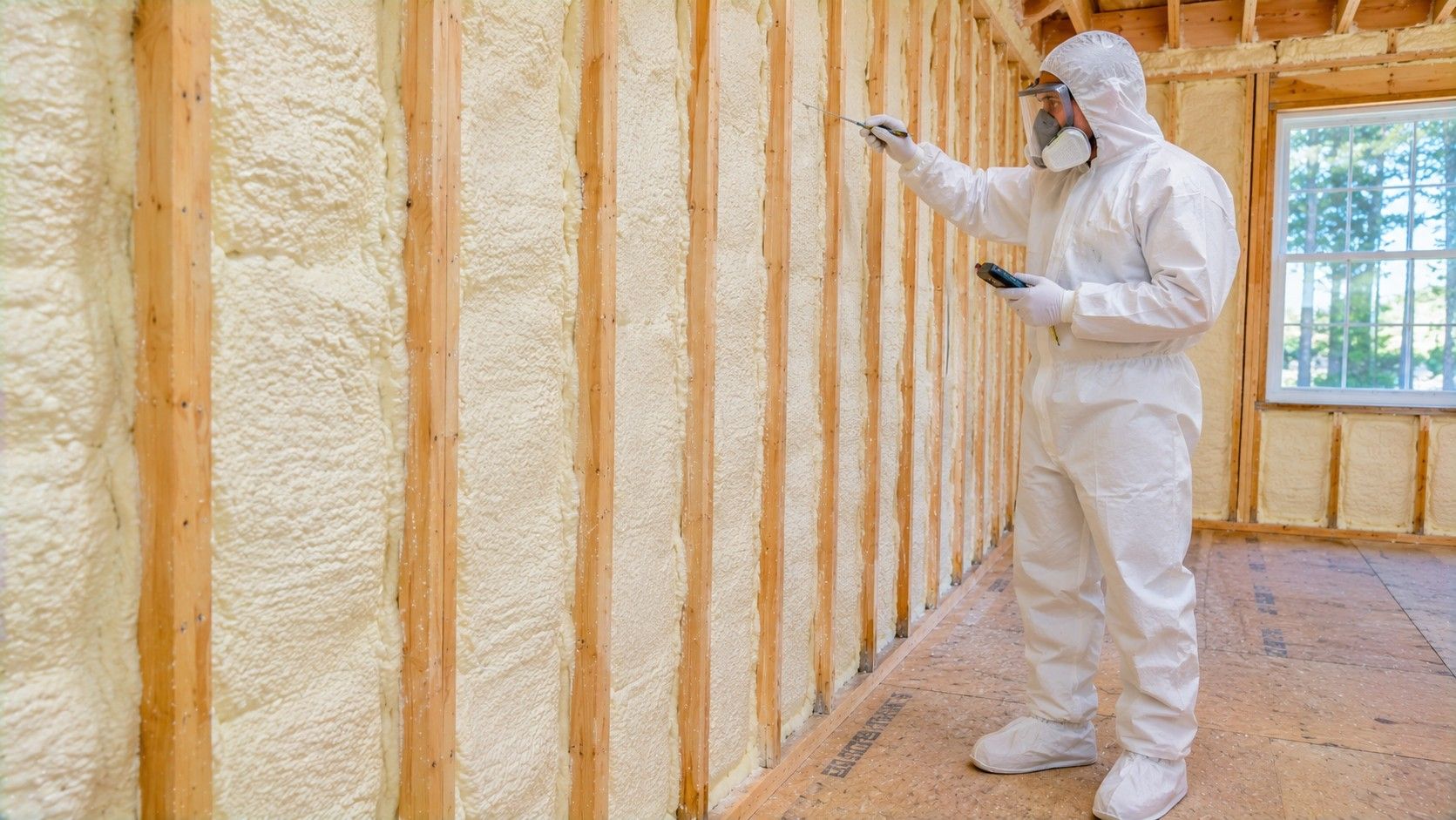
Trained installers apply closed-cell spray foam using professional high-pressure equipment, carefully controlling application thickness according to manufacturer specifications and required R-values. The expanding foam fills accessible gaps and irregular cavities, forming a dense insulation layer that helps reduce air leakage and unwanted heat transfer.
Quality Inspection
After installation, our technicians inspect insulation coverage, application thickness, and visible irregularities to verify proper installation. We follow manufacturer recommendations for curing, ventilation, and protective barriers while completing cleanup and providing guidance to support safe occupancy and dependable long-term insulation performance.
COSTS
Factors That Influence Costs of Closed Cell Spray Foam Insulation
The cost of closed cell spray foam insulation in Andover depends on the project's coverage area, required thickness, material specifications, and installation conditions. Pricing is often calculated using board feet, with one board foot representing one square foot of coverage at one inch thick. Actual project estimates vary because different building assemblies require different insulation depths and preparation procedures. The higher R-value per inch of closed-cell foam may allow substantial thermal resistance within limited cavity space, but material costs and application requirements can differ from open cell insulation and traditional insulation options. Accessibility also matters, as confined crawl spaces, elevated surfaces, and complex framing may require additional equipment and labor. Residential and commercial projects can involve different coverage requirements, protective measures, and installation methods. Applicable Massachusetts building codes, including thermal performance and fire protection requirements, may influence the final scope. A professional assessment helps establish suitable materials, installation specifications, and an estimate based on the property's conditions.
Got more cost questions?
ANDOVER Spray Foam Insulation
Why Choose Our Closed Cell Spray Foam Insulation?
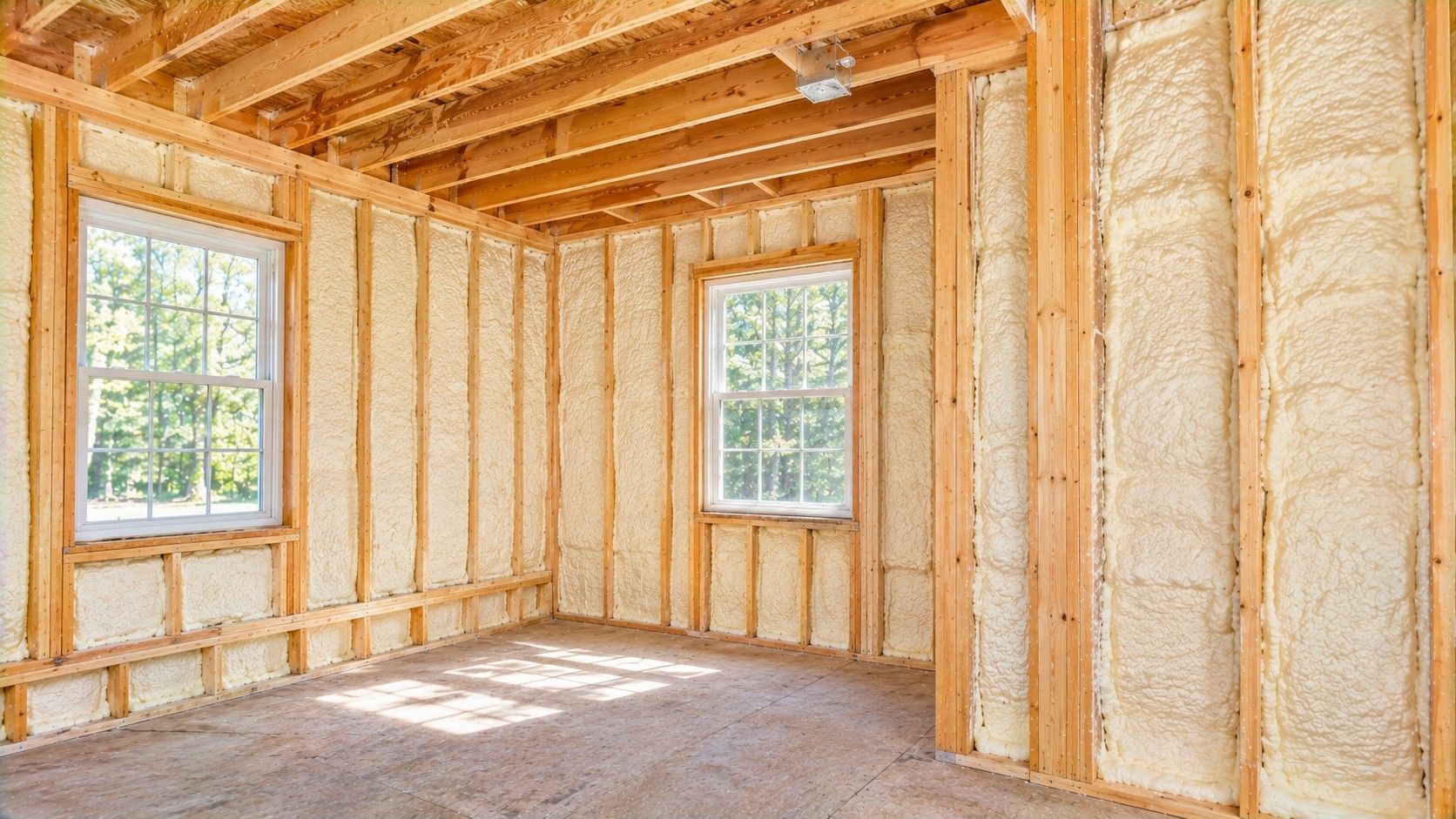
Choosing a qualified insulation contractor involves evaluating technical knowledge, installation practices, and the ability to assess building conditions before recommending materials. Andover Spray Foam Insulation emphasizes careful project evaluation, appropriate application methods, and professional insulation standards. Our approach considers how air sealing, insulation thickness, moisture conditions, and building envelope design affect thermal performance and long-term energy efficiency. Understanding the benefits of closed cell spray foam, including its rigid structure and moisture resistance, helps technicians determine where this insulation solution is appropriate.
Rather than focusing only on foam application, our technicians examine accessible building surfaces, identify potential air leakage locations, and consider existing insulation and moisture concerns. Professional spray equipment, appropriate personal protective equipment, and manufacturer-specified procedures are important parts of the installation process. Each closed-cell spray foam project is planned according to the property's construction, intended use, and applicable local building requirements. Properly applied foam makes an effective air-sealing layer across treated surfaces, although ventilation and moisture management must still be addressed separately. Clear communication and detailed insulation project planning help property owners understand the proposed work. Material selection, preparation requirements, application thickness, ventilation arrangements, and relevant safety considerations are discussed before installation. This approach supports informed decisions when homeowners choose closed-cell spray foam insulation for suitable areas of their home or building. The goal is effective, long-lasting insulation that supports thermal comfort without overlooking the building's existing conditions.
Real Results
Recent Closed Cell Spray Foam Insulation Projects in Andover, Massachusetts
Explore our recent closed-cell spray foam insulation projects completed throughout Andover, Massachusetts.
Attic Insulation
Button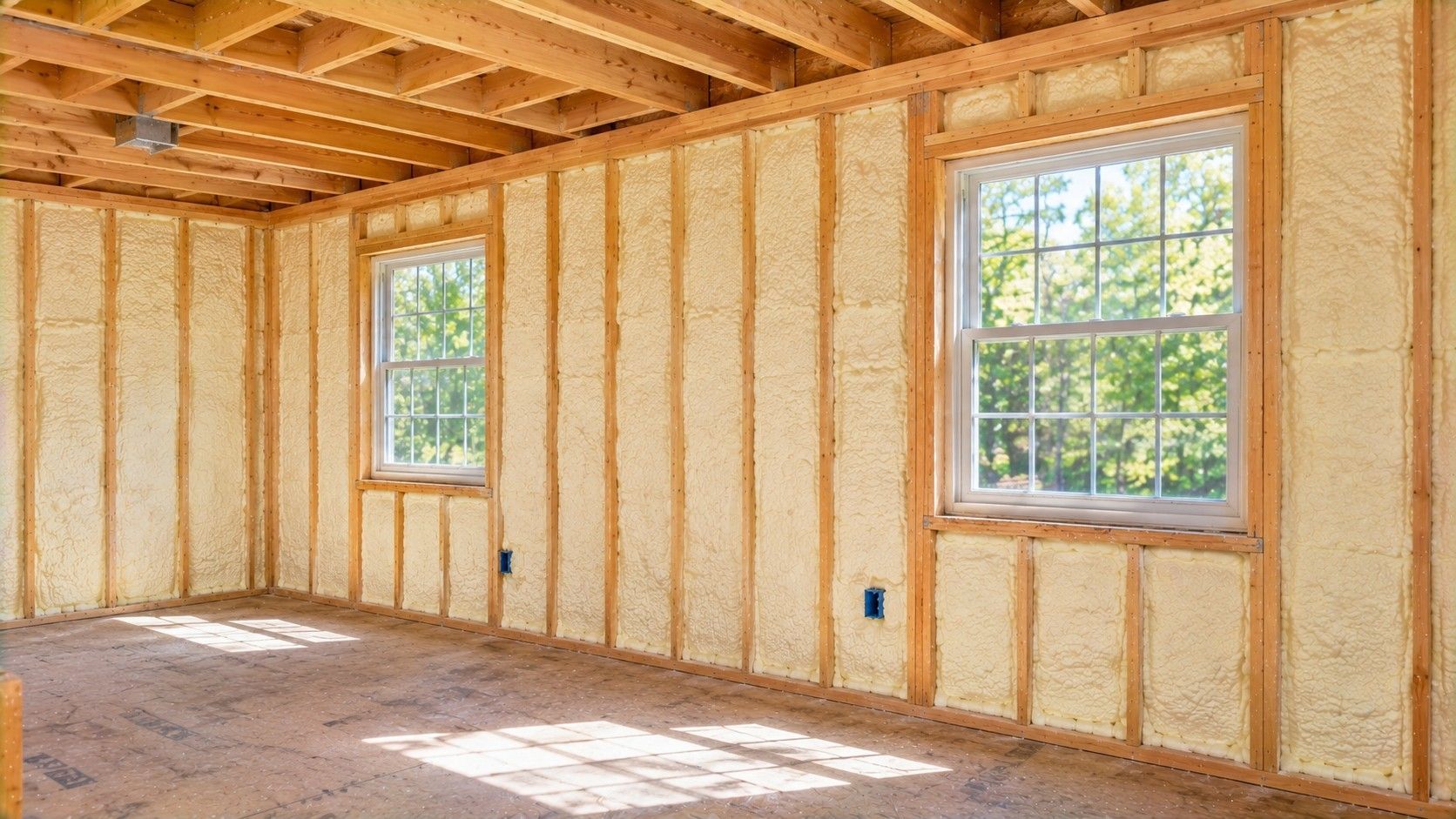
Attic Insulation
Button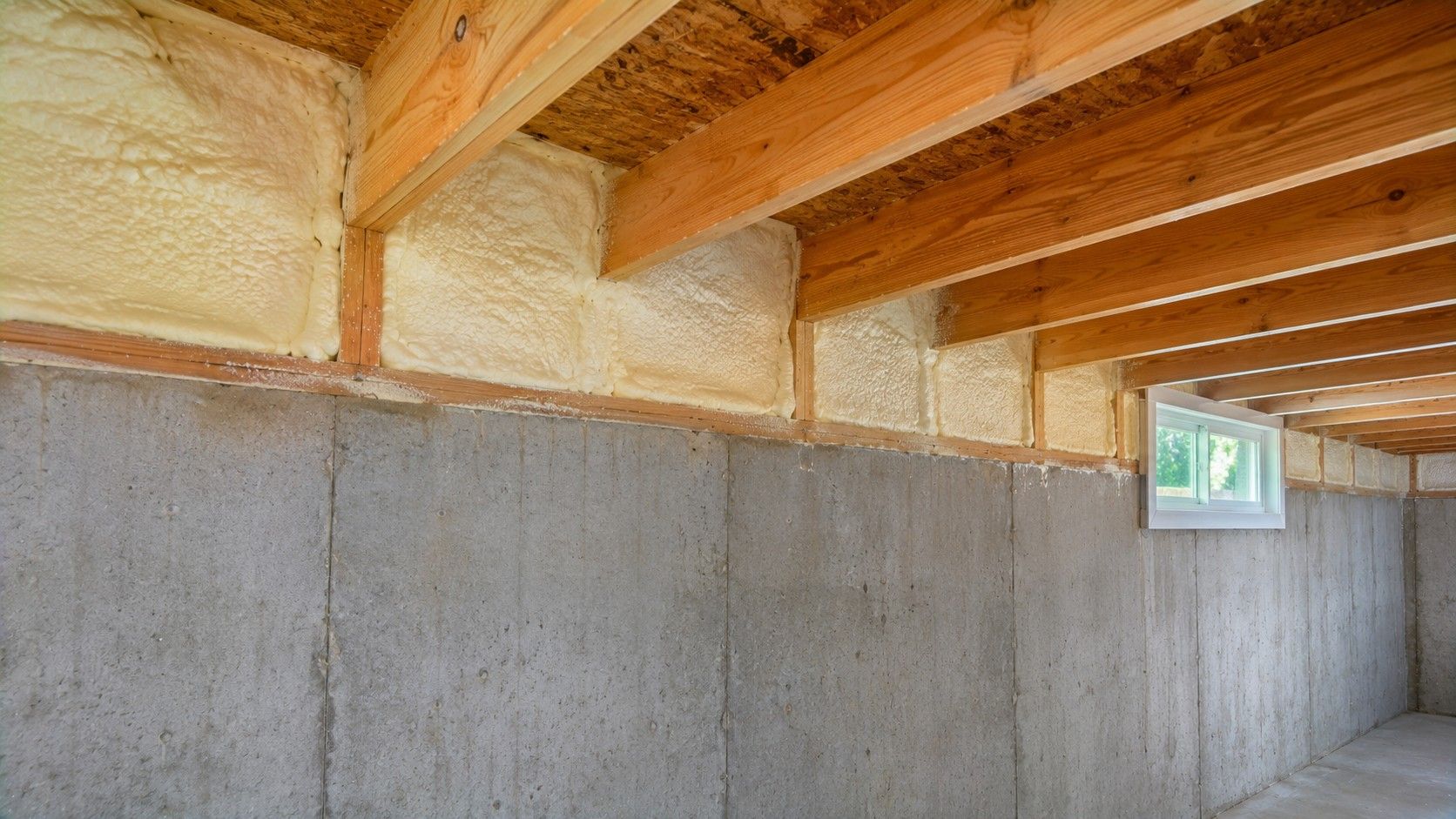
Attic Insulation
ButtonEnhance Your Property’s Comfort with Insulation in Andover
Upgrade your home or commercial property with professional spray foam insulation in Andover, MA. Improve energy efficiency and indoor comfort year-round. Contact Andover Spray Foam Insulation today to discuss your needs and request a personalized project estimate.
Attic Insulation
Button
Attic Insulation
Button
Attic Insulation
ButtonEnhance Your Property’s Comfort with Insulation in Andover
Upgrade your home or commercial property with professional spray foam insulation in Andover, MA. Improve energy efficiency and indoor comfort year-round. Contact Andover Spray Foam Insulation today to discuss your needs and request a personalized project estimate.
FAQS
Frequently Asked Questions About Closed Cell Spray Foam Insulation Services in Andover
Explore helpful information about closed cell spray foam insulation services in Andover, Massachusetts. Discover the differences between insulation materials, factors affecting project costs, potential energy savings, and the installation process to make informed decisions for your residential or commercial property.
What is the R-value of closed cell spray foam insulation per inch?
Closed-cell spray foam insulation typically provides an R-value of approximately R-6 to R-7 per inch, depending on the product. This high R-value per inch makes it suitable for areas with limited insulation space. Professional technicians determine the appropriate thickness based on building requirements, cavity depth, and thermal performance needs. Higher R-value materials offer greater resistance to conductive heat transfer at the same thickness.
How much does closed cell spray foam insulation cost in Andover?
Installation costs in Andover depend on the coverage area, required thickness, surface accessibility, and preparation requirements. Closed cell foam is commonly priced by the board foot, representing one square foot at one inch thick. Although this insulation type may have higher initial material costs than some traditional insulation options, its thermal and air-sealing properties can support energy efficiency. A professional assessment helps establish a project-specific estimate.
Can closed cell spray foam help prevent moisture problems?
Closed-cell spray foam can help manage moisture by reducing air leakage and limiting water vapor diffusion at appropriate thicknesses. Its dense cell structure makes it suitable for certain foundation walls, crawl spaces, and other moisture-sensitive assemblies. However, it does not replace a dedicated vapor barrier where one is required. Existing leaks, drainage issues, and damp materials need separate attention before installation.
Where can closed cell spray foam insulation be installed?
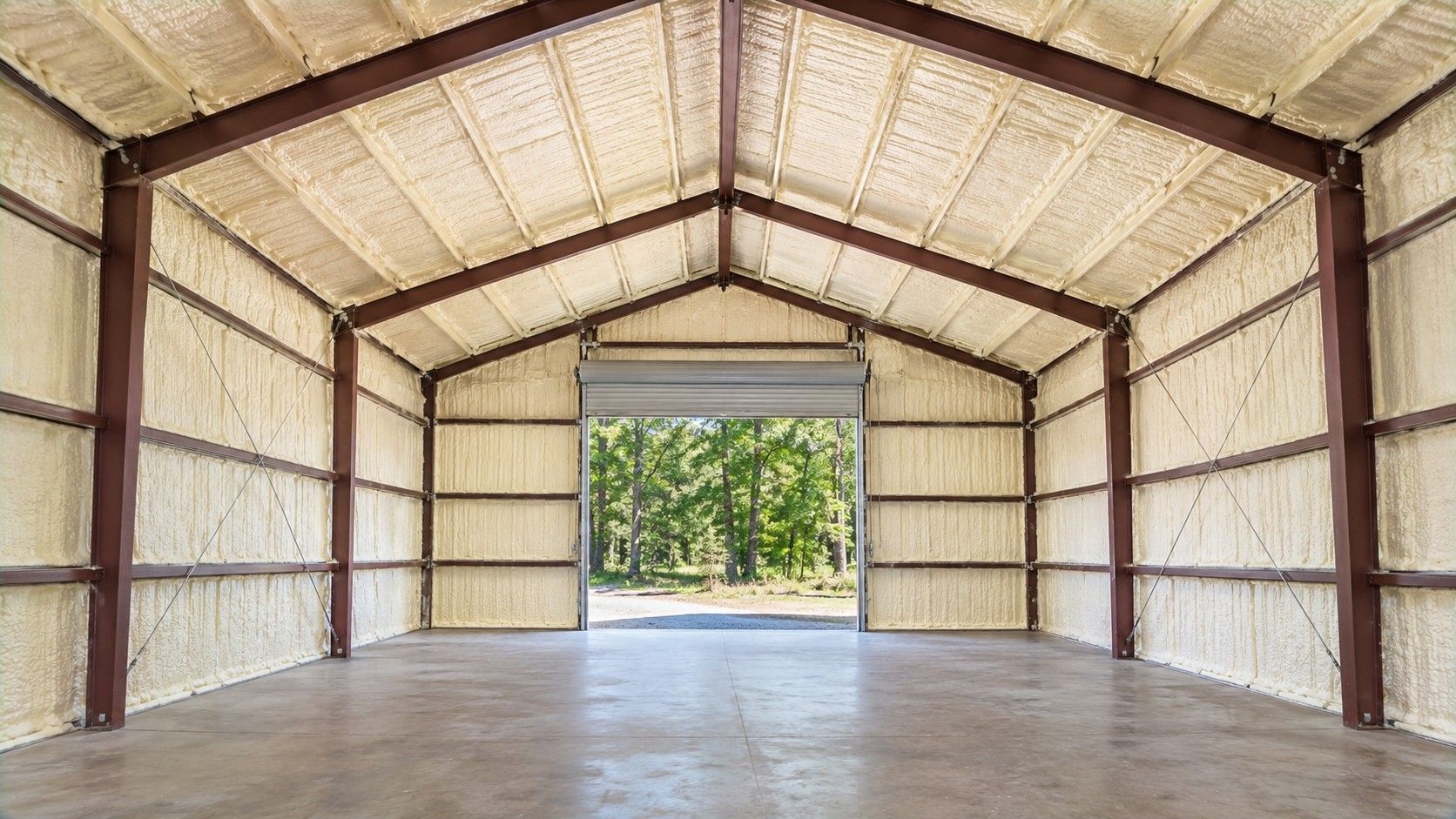
Closed-cell foam is commonly installed in suitable attics, exterior walls, basement rim joists, crawl spaces, and metal buildings. Its expanding structure helps seal accessible gaps while providing thermal resistance. Spray foam makes it possible to insulate certain irregular cavities that may be difficult to cover with rigid boards or conventional batts. Trained installers evaluate moisture exposure, ventilation, and building code requirements before application.
How thick should closed cell spray foam insulation be for Andover winters?
The appropriate thickness depends on the building assembly, required R-value, and applicable Massachusetts energy code requirements. Closed cell foam typically provides R-6 to R-7 per inch, but attics, walls, and crawl spaces may require different insulation levels. Professional technicians assess existing insulation, available installation depth, and moisture conditions before recommending a suitable thickness for Andover's cold winters.
ANDOVER SPRAY FOAM INSULATION
Get an Estimate for Closed Cell Foam Insulation Installation in Andover
Planning a closed cell spray foam insulation project begins with understanding the property's existing conditions and insulation requirements. Andover Spray Foam Insulation provides project assessments and estimates for suitable applications in homes and other buildings throughout Andover, Massachusetts. During the assessment, technicians evaluate accessible surfaces, existing insulation, moisture concerns, and the installation thickness needed to achieve the intended thermal performance. Homeowners can also discuss whether closed-cell or open cell foam is more appropriate for specific building assemblies.
Closed-cell spray foam insulation offers substantial thermal resistance per inch and can help reduce unwanted air infiltration when properly installed. Its dense structure and relatively low vapor permeability may also support moisture control in suitable applications. When installed continuously at the required thickness, closed-cell spray foam creates an airtight seal across treated surfaces, helping reduce drafts and unwanted heat transfer. Actual insulation performance, energy savings, and indoor comfort depend on material selection, installation quality, building design, and existing conditions. Contact Andover Spray Foam Insulation to discuss your insulation needs and request a project estimate. Our technicians can explain the benefits of closed-cell spray foam, available insulation materials, installation procedures, applicable safety requirements, and factors affecting the cost of professional insulation installation. Learn how an appropriately designed spray foam system can help improve energy efficiency and support more comfortable indoor living conditions for your Andover property.