
Methuen, MA Spray Foam Insulation – Established Homes and Diverse Building Styles
Andover Spray Foam Insulation helps Methuen homeowners, landlords, and commercial property owners address heat loss and air leakage in established residences, newer developments, and commercial buildings. Services include attic insulation, closed-cell and open-cell spray foam, crawl space insulation, and metal building applications, with recommendations based on existing property conditions. Call (978) 662-0847 to discuss your property and request an assessment.
PROBLEM
How Methuen's Mixed Housing Styles Contribute to Heat Loss and Air Leakage
Methuen includes established residential neighborhoods, historic buildings, and areas of newer suburban development. Properties around the city's established residential areas and newer subdivisions can have different insulation requirements, especially where older framing, unfinished attics, and building additions affect the continuity of the thermal envelope. In older homes, insulation may be missing, compressed, or interrupted around framing and utility penetrations. These gaps allow conditioned air to escape and outdoor air to enter. Property owners may notice cold rooms, drafts near ceilings, or uneven indoor temperatures during Massachusetts winters. Homes with multiple additions or altered rooflines may have additional air leakage pathways.
Newer properties are not automatically free from insulation problems. Roof transitions, attached garages, and complicated framing arrangements can create areas where air sealing or insulation coverage needs attention. These details are particularly relevant when evaluating insulation continuity between original construction and later additions. Spray foam insulation can address selected gaps and cavities by combining thermal resistance with air sealing. The appropriate application depends on building construction, existing materials, moisture conditions, and ventilation requirements.
TOP SERVICES
Attic Insulation and Air Sealing for Methuen Homes
Attics are common locations for heat loss because warm indoor air can escape through ceiling penetrations, framing gaps, and poorly insulated areas. In older Lawrence homes, previous renovations may have left inconsistent insulation coverage or difficult-to-access cavities. These conditions can be especially important in properties with older roof framing or converted upper-floor spaces. Attic insulation may involve sealing accessible air leakage pathways and applying an appropriate insulation material to the selected building assembly. Open-cell or closed-cell spray foam may be considered depending on roof construction, moisture management, ventilation, and required thermal resistance.
A professional attic assessment helps determine whether insulation belongs at the attic floor or along the roofline. Existing roof leaks and moisture problems should be addressed before installation.
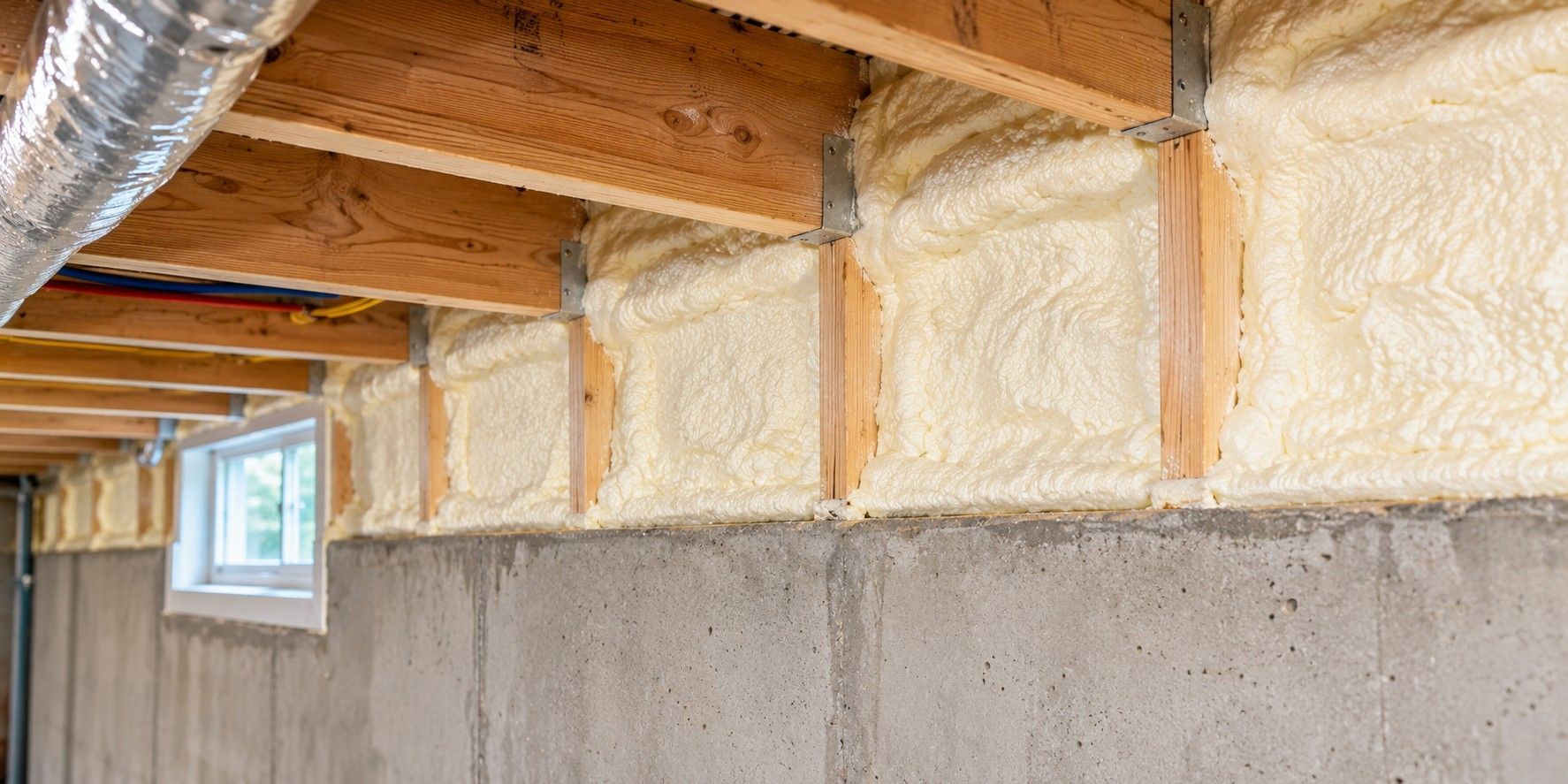
Closed-Cell Spray Foam for Basement and Crawl Space Insulation
Basements and crawl spaces can contribute to uncomfortable floors and air leakage when foundation walls, rim joists, or accessible cavities have inadequate insulation. Methuen properties with older foundation assemblies may require additional assessment of moisture conditions before installation. Foundation materials and existing drainage conditions can influence which insulation approach is appropriate.
Closed-cell spray foam offers relatively high R-value per inch and can reduce air movement when applied correctly. It may be appropriate for selected rim joist, foundation wall, or crawl space assemblies where moisture and vapor control requirements have been evaluated. Existing water intrusion, damaged materials, and drainage problems should be corrected before insulation work. Professional assessment should also consider substrate condition, surface preparation, and the building's existing moisture-control measures to determine whether spray foam is suitable for the specific foundation and building conditions.
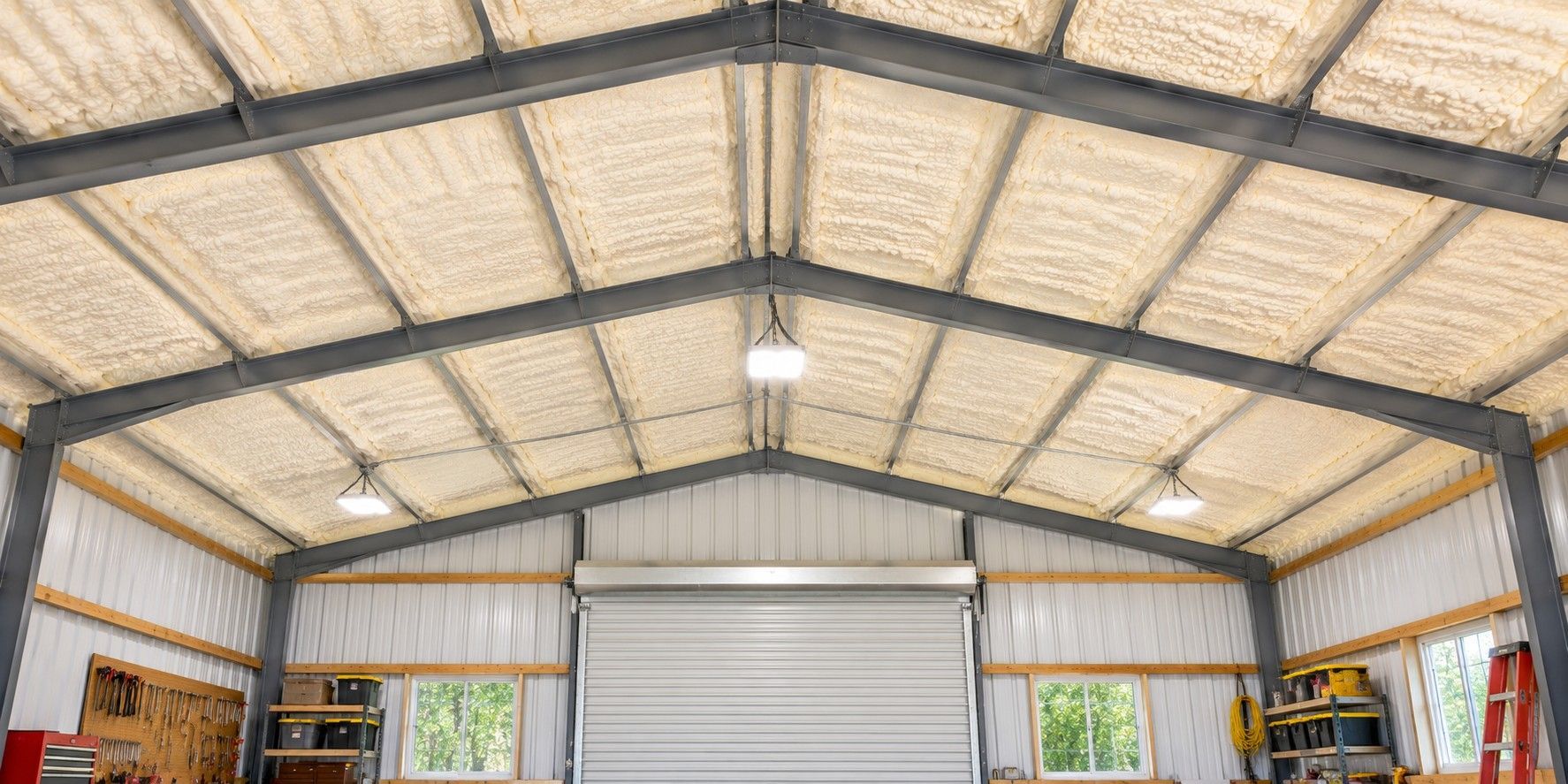
Spray Foam Insulation for Metal Buildings and Workshops
Metal buildings, workshops, and certain commercial structures present different insulation challenges from wood-framed homes. Exposed steel framing and metal roof panels can transfer heat quickly, while temperature differences between interior air and metal surfaces may contribute to condensation. For Methuen property owners using detached workshops or commercial storage buildings, these conditions can influence interior comfort and moisture management.
Spray foam insulation can be applied to suitable metal wall and roof assemblies to improve air sealing and thermal resistance. Closed-cell foam may be considered where higher R-value per inch and vapor resistance are important. Installation planning should account for substrate condition, thermal bridging, ventilation, and applicable fire protection requirements. Buildings used for storage, commercial activities, or workshops may need different insulation approaches depending on how the interior space is occupied. Professional application also requires suitable equipment and controlled installation conditions.
COSTS
What Affects Spray Foam Insulation Cost in Methuen?
Insulation costs depend on the size of the application area, material selection, required thickness, accessibility, and surface preparation. An unfinished attic may require different equipment and preparation from a crawl space or metal workshop.
Older homes can also have existing insulation, irregular framing, or moisture concerns that affect the scope of work. Closed-cell and open-cell foam have different material costs and performance characteristics. In properties with additions or renovated spaces, multiple framing configurations may also affect installation access. A property assessment helps identify the actual insulation requirements and provides a more reliable basis for an estimate without assuming that every building needs the same treatment.
AREAS WE SERVE
Nearby Service Areas Around Methuen
ANDOVER SPRAY FOAM INSULATION
Why Choose Andover Spray Foam Insulation?
Andover Spray Foam Insulation approaches each project by evaluating existing materials, insulation gaps, building access, and moisture conditions before discussing suitable installation options. For Methuen properties with older framing, renovated areas, or unfinished foundations, these assessments help identify practical insulation priorities.
Our professional approach considers open-cell and closed-cell foam characteristics, appropriate surface preparation, specialized application equipment, and manufacturer-specified installation conditions. Ventilation, protective equipment, and relevant fire protection requirements are also important parts of responsible planning. Property owners receive explanations of the proposed work and the factors that may influence installation scope, scheduling, and material selection.
FAQs
Frequently Asked Questions About Spray Foam Insulation in Methuen
Why do some older Methuen homes remain drafty despite having attic insulation?
Existing insulation may provide thermal resistance without adequately sealing air leaks. Gaps around attic penetrations, access openings, and framing transitions can allow air movement. Older homes with additions or modified roof assemblies may have additional gaps between conditioned and unconditioned spaces. An assessment can identify whether targeted air sealing, additional insulation, or other repairs are appropriate.
Does Methuen's winter weather affect spray foam insulation installation?
Cold weather can affect substrate temperatures and application conditions. Professional installers must follow the selected product's temperature, ventilation, and curing requirements. Indoor conditions and building preparation can influence whether an installation should proceed. Unheated attics, garages, and detached workshops may require particular attention to surface temperatures.
Is closed-cell spray foam appropriate for basement walls?
Closed-cell foam may be suitable for certain basement wall assemblies because it provides thermal resistance and vapor resistance at appropriate thicknesses. However, active water intrusion, damaged masonry, and moisture problems must be evaluated before installation. Older foundation materials may also require specific preparation and moisture-control considerations.
What is the difference between open-cell and closed-cell spray foam?
Open-cell foam is less dense and more vapor-permeable, while closed-cell foam generally provides greater R-value per inch and increased vapor resistance. The appropriate material depends on the building assembly, moisture conditions, required insulation performance, and available space. Attic rooflines, wall cavities, and foundation areas may require different material selections.
How should I prepare my property for spray foam installation?
Preparation may include clearing access to the work area, protecting belongings, addressing existing leaks, and arranging for occupants or pets to remain outside restricted areas. For Methuen homes with unfinished basements or limited attic access, clearing stored items may help technicians inspect and prepare the application surfaces. The installer should provide product-specific instructions regarding ventilation, curing, and safe reentry.
Request a Free Quote
We will get back to you as soon as possible.
Please try again later.