
Lawrence, MA Spray Foam Insulation – Historic Mill Buildings and Established Neighborhoods
Andover Spray Foam Insulation helps Lawrence homeowners, landlords, and commercial property owners evaluate insulation needs in historic mill buildings, older residences, and renovated spaces. Services include closed-cell and open-cell spray foam, attic insulation, crawl space insulation, and metal building insulation, with recommendations based on existing construction conditions. Call (978) 662-0847 to discuss your project.
PROBLEM
How Lawrence's Older Buildings Develop Insulation and Air Leakage Problems
Lawrence has a distinctive industrial building history, including brick mill structures and established residential neighborhoods. Properties near the city's historic mill districts and older residential streets may have masonry walls, irregular framing, unfinished attic spaces, and insulation systems that no longer meet current comfort expectations. During cold Massachusetts winters, heat can escape through inadequately insulated roofs, walls, and other building assemblies. Property owners may notice drafts, cold rooms, uneven temperatures, or heating systems operating frequently. In summer, humid outdoor air entering through gaps can contribute to uncomfortable conditions and moisture concerns.
Renovations of Lawrence's older homes and former industrial spaces also create insulation challenges. Older construction materials and concealed cavities require assessment before spray foam is installed. Moisture in masonry or roof assemblies should be investigated rather than simply covered. Spray foam can improve air sealing and thermal resistance in suitable applications. However, the correct approach depends on existing materials, moisture conditions, ventilation, and the building's intended use.
TOP SERVICES
Attic Spray Foam Insulation for Older Lawrence Homes
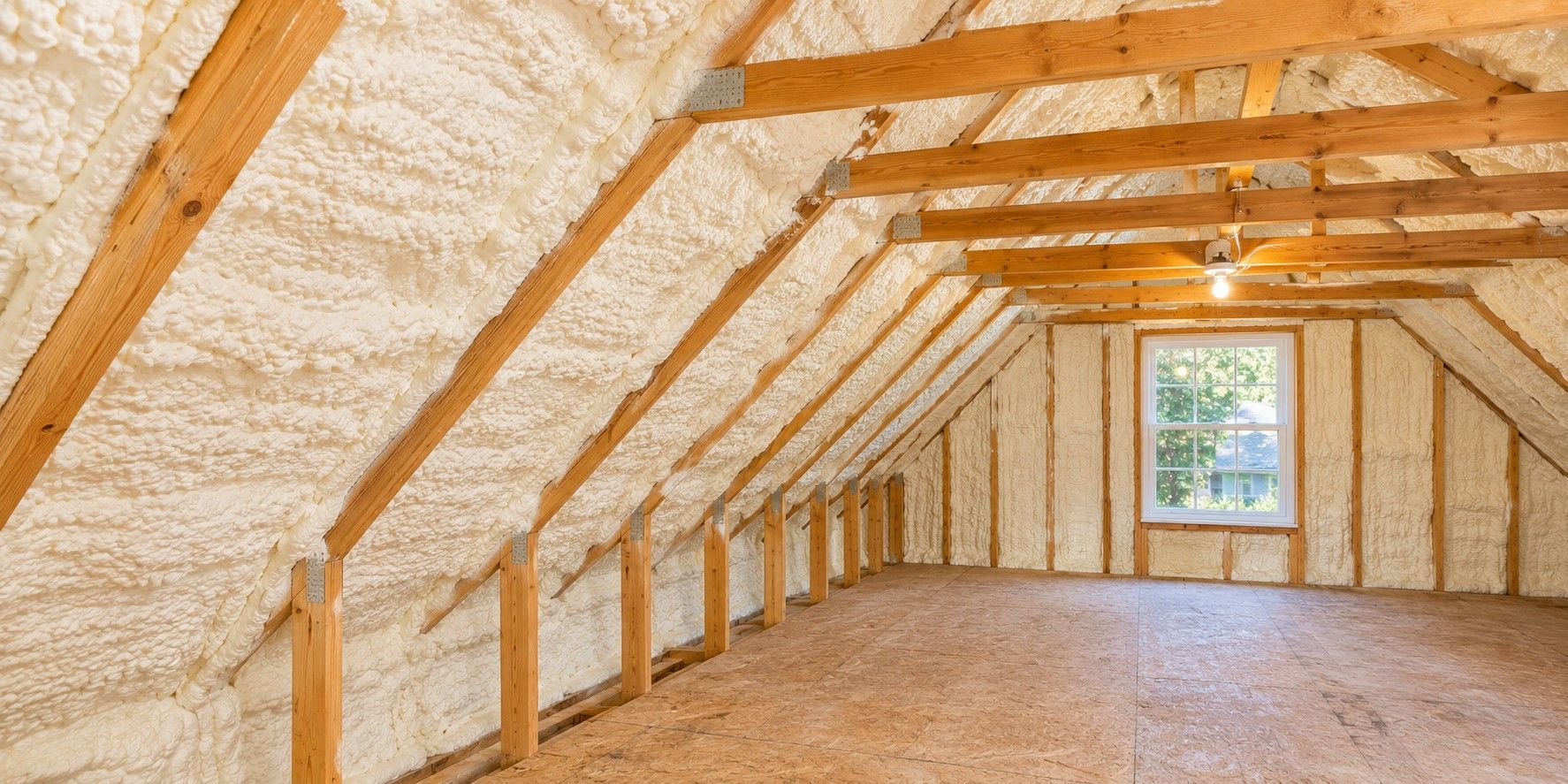
Attics are common locations for heat loss because warm indoor air can escape through ceiling penetrations, framing gaps, and poorly insulated areas. In older Lawrence homes, previous renovations may have left inconsistent insulation coverage or difficult-to-access cavities. These conditions can be especially important in properties with older roof framing or converted upper-floor spaces.
Attic insulation may involve sealing accessible air leakage pathways and applying an appropriate insulation material to the selected building assembly. Open-cell or closed-cell spray foam may be considered depending on roof construction, moisture management, ventilation, and required thermal resistance.
A professional attic assessment helps determine whether insulation belongs at the attic floor or along the roofline. Existing roof leaks and moisture problems should be addressed before installation.
Closed-Cell Spray Foam for Basements and Crawl Spaces
Basements and crawl spaces in older properties may experience cold surfaces, air leakage, and moisture concerns. In Lawrence's established housing stock, foundation construction and accessible rim joist cavities can influence insulation requirements. These conditions can affect floors above the foundation and complicate insulation upgrades. Closed-cell spray foam provides relatively high thermal resistance per inch and can limit air movement through properly treated surfaces. At appropriate thicknesses, it also offers vapor resistance, making it a potential option for certain foundation and crawl space assemblies.
Before installation, technicians should assess water intrusion, surface moisture, substrate condition, and any necessary drainage or moisture-control measures. Older masonry and concrete foundations may require additional preparation before insulation is considered. Spray foam is not a substitute for repairing active leaks or addressing structural problems.
Commercial and Metal Building Spray Foam Insulation
Lawrence's industrial building stock and commercial properties present insulation requirements that can differ from those of conventional homes. Commercial spaces associated with the city's historic manufacturing areas, along with workshops, warehouses, and metal-framed structures, may contain large roof areas, exposed framing, and surfaces prone to temperature changes. Metal building insulation can help reduce heat transfer and air leakage when installed as part of an appropriate assembly. Closed-cell foam may be considered for certain metal roof and wall applications, while other systems may require different materials or additional detailing.
Professional evaluation is particularly important where condensation, thermal bridging, fire protection, or existing building use affects insulation selection. Renovated masonry buildings require separate consideration because their moisture behavior differs from that of metal structures. Surface preparation and manufacturer-specified application conditions also influence material suitability.
COSTS
What Affects Spray Foam Insulation Cost in Lawrence?
Spray foam insulation costs depend on the size of the installation area, material type, required thickness, accessibility, and surface preparation. An unfinished attic may require a different approach from a masonry renovation or a commercial metal building.
Existing insulation removal, moisture repairs, difficult framing, and applicable fire protection requirements can also affect the scope. Closed-cell and open-cell foam have different material characteristics and installation costs. Older Lawrence properties may require additional evaluation of concealed cavities or existing building materials. A property assessment helps establish the actual area requiring insulation and provides a more reliable basis for a project-specific estimate.
AREAS WE SERVE
Nearby Service Areas Around Lawrence
ANDOVER SPRAY FOAM INSULATION
Why Choose Andover Spray Foam Insulation?
Andover Spray Foam Insulation approaches insulation inquiries by considering existing building conditions, suitable material selection, and practical installation requirements. Older Lawrence properties may need additional attention to moisture, framing irregularities, and previous renovations.
Professional spray foam work involves appropriate surface preparation, specialized application equipment, protective gear, ventilation procedures, and manufacturer-specified conditions. Assessing substrate conditions and selecting suitable open-cell or closed-cell materials helps establish an appropriate installation plan. Clear project recommendations help property owners understand the proposed scope and relevant limitations before work begins. Call (978) 662-0847 to discuss insulation options and arrange an assessment based on availability.
FAQs
Frequently Asked Questions About Spray Foam Insulation in Lawrence
Is spray foam suitable for older brick buildings in Lawrence?
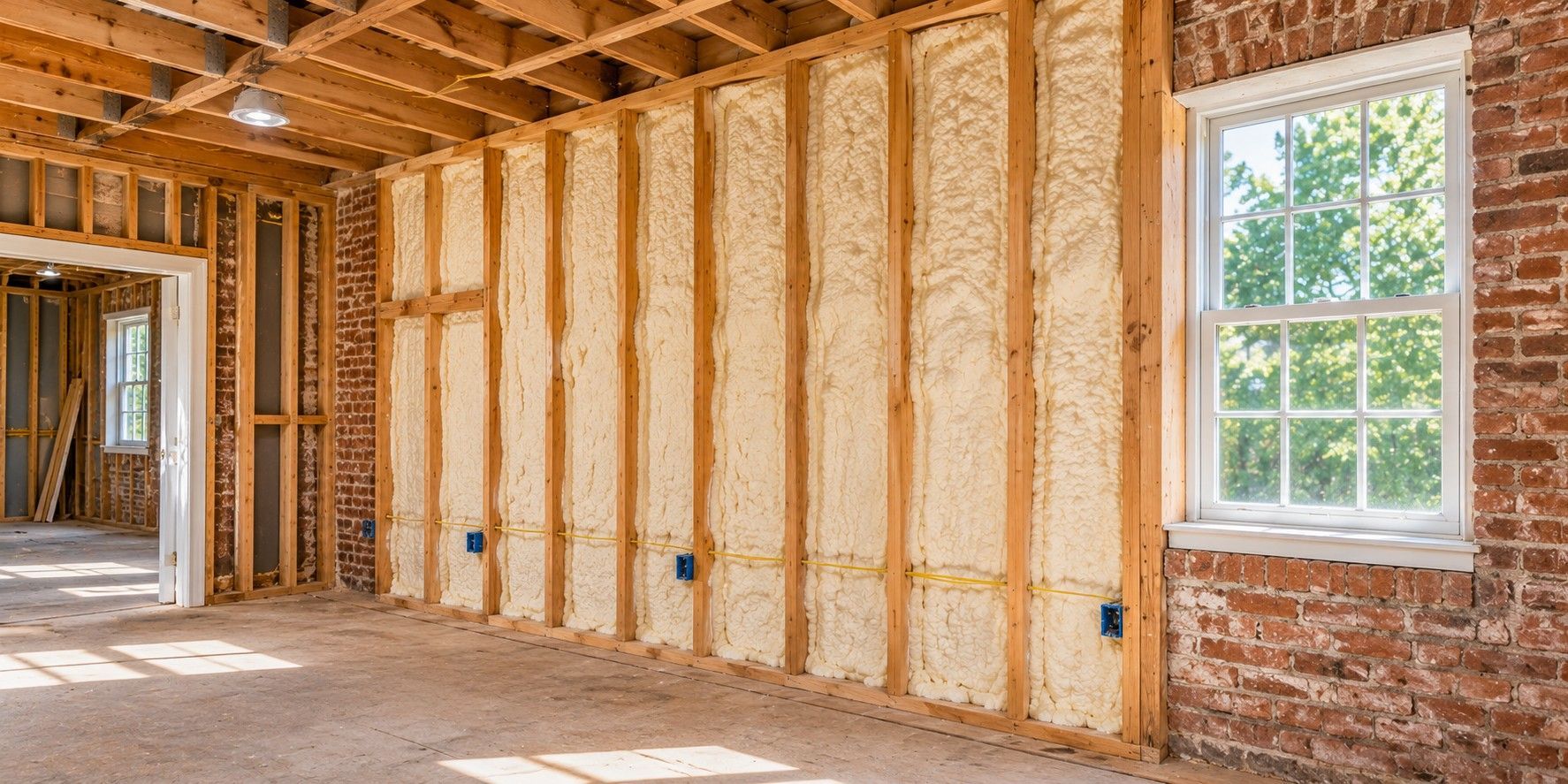
It may be suitable for selected assemblies, but older masonry buildings require careful moisture evaluation. Insulating brick walls can change their drying behavior and temperature. Existing water intrusion, masonry condition, and the complete wall assembly should be assessed before selecting spray foam. This is particularly relevant when renovating former mill buildings or older masonry properties.
What insulation concerns are common in Lawrence's older homes during winter?
Older homes may have air leaks around attic penetrations, incomplete insulation, and thermal gaps near framing or foundations. These conditions can contribute to drafts and uneven temperatures. Properties with older roof assemblies or unfinished basements may have multiple sources of heat loss. An assessment can identify which areas would benefit from air sealing or insulation improvements.
Should I choose open-cell or closed-cell spray foam?
The choice depends on the installation area, available cavity depth, moisture conditions, and intended performance. Closed-cell foam offers greater thermal resistance per inch and vapor resistance at suitable thicknesses. Open-cell foam has different vapor permeability and acoustic characteristics. Existing wall and roof construction should guide material selection.
How long does spray foam insulation installation take?
Installation time depends on the size and accessibility of the area, surface preparation, material requirements, and ventilation arrangements. Smaller accessible projects may take less time than complex renovations. Older properties may require additional preparation or moisture-related repairs. Occupants must follow the product-specific reentry instructions after application.
Can spray foam resolve condensation in a metal building?
Spray foam can help manage condensation risks by limiting air movement and heat transfer when properly designed and installed. However, condensation also depends on indoor humidity, ventilation, thermal bridging, and moisture sources. Existing leaks and other causes should be addressed separately. Commercial buildings with exposed metal roofing may require additional assessment of indoor humidity and roof assembly conditions.
Request a Free Quote
We will get back to you as soon as possible.
Please try again later.